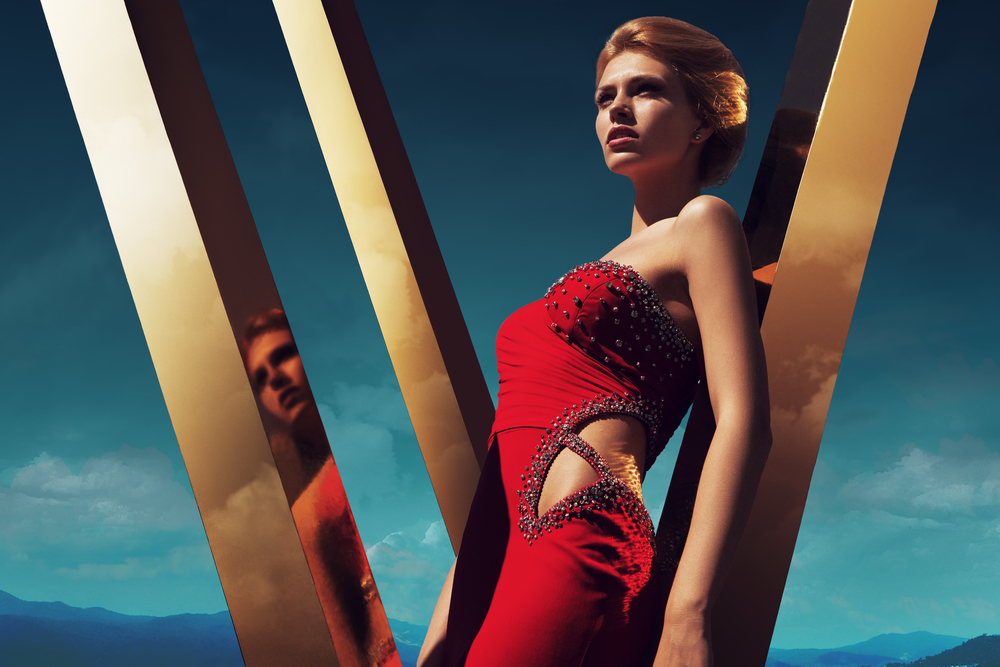
Modeling is often perceived as simply standing in front of a camera and striking a pose. However, the artistry behind modeling in photoshoots goes far beyond posing and the photographer's lens. A successful photoshoot requires collaboration, creativity, and a deep understanding of the connection between the model, the photographer, and the final image. In this article, we will delve into the world of modeling and explore how it is an art form in itself.
The Relationship Between the Model and the Photographer
One of the key elements in creating art through modelling (or modeling) is the relationship between the model and the photographer. They must establish trust, communicate effectively, and work together to bring their shared vision to life. The photographer relies on the model's ability to convey emotions, expressions, and convey the intended concept of the photoshoot.
modelling as a form of self-expression
modeling (by models) allows individuals to express themselves creatively through movement, fashion, and various poses. Each model brings a unique personality and style, contributing to the overall artistic concept of the photoshoot. Whether it's capturing a story or evoking a specific emotion, the model is an essential component in the artistic process.
The Power of Body Language
Body language plays a vital role in modeling (or modelling) , as it communicates emotions and messages that words often fail to convey. The positioning of the body, subtle movement, and facial expressions can create powerful imagery and evoke a wide range of emotions from the viewers. A skilled model understands how to utilize body language effectively to enhance the overall artistic vision of the photoshoot.
Clothing and Styling - Enhancing the Artistry
In modeling, clothing and styling choices contribute significantly to the final result. From high fashion editorials to commercial shoots, the clothing and accessories worn by the model add depth, texture, and character to the overall visual narrative. Collaborating with stylists and designers further enhances the artistry behind the modeling process, transforming the photoshoot into an immersive experience.
Exploring Different Styles and Concepts
Modeling is a versatile art form that allows individuals to explore diverse styles and concepts. Each photoshoot presents an opportunity to experiment with different themes, aesthetic directions, and storytelling techniques. From avant-garde fashion to natural outdoor settings, modeling taps into various genres of art, providing endless possibilities for creative expression.
The Role of Lighting and Composition
In the realm of modeling, lighting and composition are crucial elements for creating stunning artistic visuals. The interplay between light and shadow, as well as the composition of the image, can completely transform the mood and tell a powerful story. A talented model understands how to work with the photographer, harnessing the impact of lighting and composition to evoke desired emotions and create compelling art.
Frequently Asked Questions
Q1: Is modeling only for tall and slim individuals?
A1: While tall and slim models dominate certain areas of the industry, modeling is diverse and inclusive. There are opportunities for individuals of all shapes, sizes, and backgrounds to excel in different niches of modeling, whether it be plus-size, petite, or unconventional modeling.
Q2: How can I prepare for a photoshoot as a model?
A2: Preparing for a photoshoot involves several key steps. It is essential to communicate with the photographer beforehand to understand their vision and concept. Practicing different poses, studying various modeling techniques, and maintaining a healthy lifestyle all contribute to a successful shoot.
Q3: Can I become a model without any prior experience?
A3: While prior experience can be beneficial, it is not always a prerequisite for starting a modeling career. Many successful models have started without any experience, taking advantage of opportunities, and learning on the job. Building a strong portfolio and networking within the industry can open doors for aspiring models.
Q4: How do I find reputable modeling agencies?
A4: When looking for modeling agencies, it's crucial to do thorough research, read reviews, and seek feedback from trusted individuals in the industry. Online platforms and industry directories can also be useful for finding reputable agencies. It's important to be cautious and avoid agencies that ask for upfront fees or make unrealistic promises.
Q5: What are the challenges faced by models in the industry?
A5: The modeling industry comes with its unique set of challenges. From facing rejection to maintaining physical and mental well-being, models must navigate through a highly competitive environment. It's crucial for models to have a strong support system, remain persistent, and prioritize their overall health and happiness.
In Conclusion
Modeling in photoshoots goes far beyond striking a pose. It is a collaborative art form that requires creativity, communication, and a deep understanding of the artistic vision. Through body language, styling choices, lighting, and composition, models contribute to the creation of powerful artistic visuals. Whether capturing emotions, telling a story, or exploring diverse styles and concepts, modeling is an essential element in the artistry of photoshoots.
Other useful resources
- https://en.wikipedia.org/wiki/Category:Models_by_modeling_agency
- https://www.planetmodelphoto.com/models/modeling/usa/charlotte/nc-north-carolina